

Public Health Workforce Development That Sticks
Public health training programs designed by practitioners who've done the work. We deliver AI training for government employees, executive coaching for public health leaders, and competency-based development your team can apply immediately. Woman-owned. 8(a) certified.
Schedule a Conversation
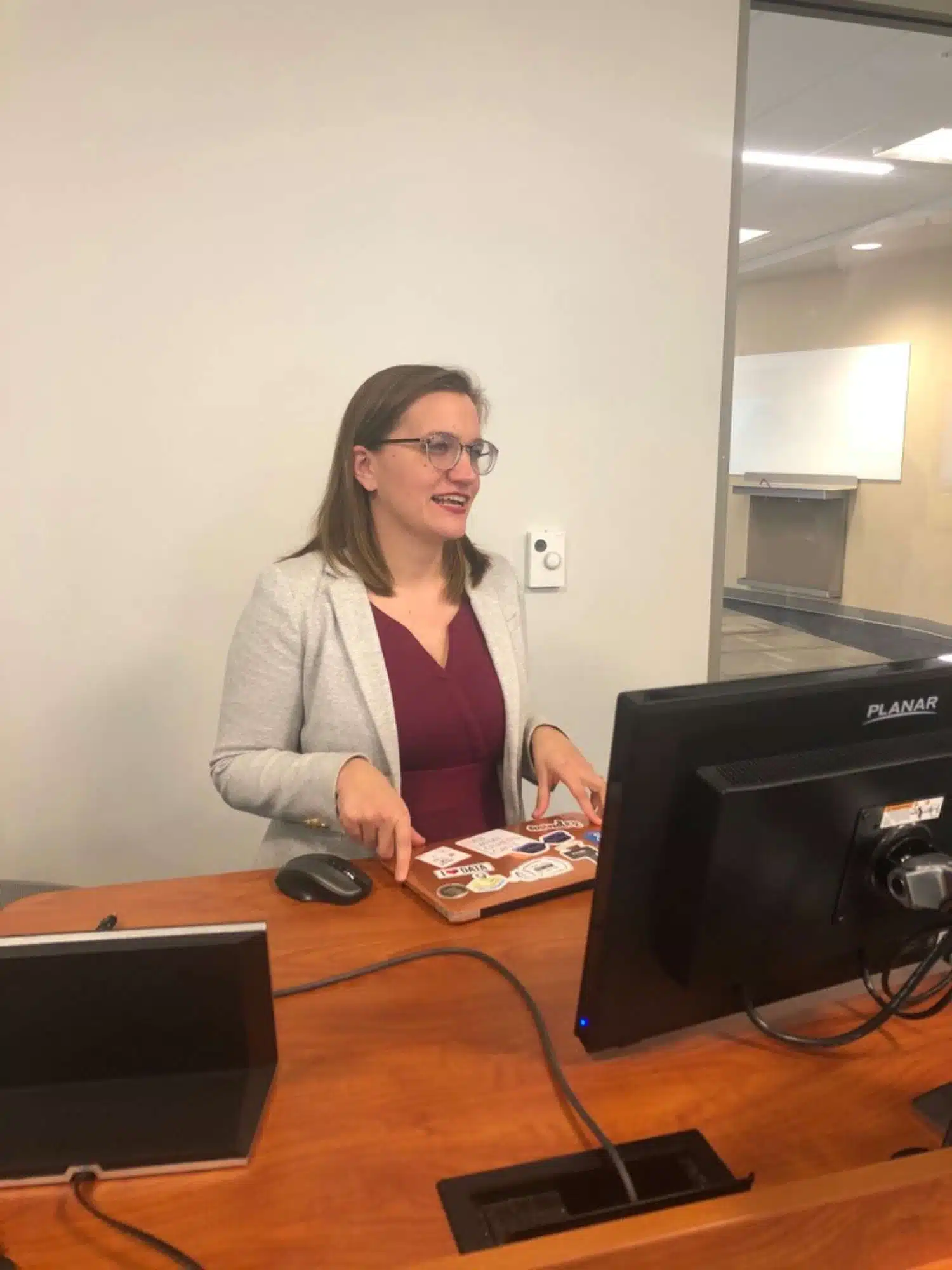

Health Department Staff Training That Understands Your Reality
Public health teams face unique pressures: limited time, stretched capacity, and a deep responsibility to serve their communities. Off-the-shelf training programs don't account for the realities of health department work—or the specific competencies public health professionals need.
Public health workforce development is at our core—not just a tagline. Our training offerings are shaped by years of experience inside health agencies, with public health practitioners at the table. We don't theorize about public health constraints—we've managed epidemiology programs, led communicable disease response, and built the data systems you depend on daily.
We don't just transfer knowledge—we build public health informatics skills and leadership capacity that sticks.
Custom Training That Uses Your Data, Your Challenges, Your Community
Every public health department is unique—and so is every community you serve. We don't do cookie-cutter training.
We begin every engagement by working with you to understand the specific problems you're trying to solve. Through discovery conversations, we identify your team's current challenges, desired outcomes, and organizational constraints.
From there, we adapt our training content to your specific needs. Every example uses your data. Every scenario reflects your community's demographics and challenges. Every exercise addresses workflows your team actually performs.
This customization ensures immediate applicability—participants can literally apply what they've learned the moment they return to their desks.
Let's Design Your TrainingTraining Catalog
- Storytelling with Data
- Data Visualization (Tableau, Excel, ArcGIS)
- Introduction to Data Visualization
- Change Management Essentials
- Project Management Fundamentals
- Agile for Public Health
- Logic Models & Evaluation Design
- Empathy-Driven Community Engagement
- Participatory Design Workshops
- Coaching for Staff and Managers
- Department-Wide Leadership Training
- Data Governance for Public Health
- Data Stewardship Training
- Building a Data Governance Council
- HIPAA Data Governance Requirements
Additional Training Offerings
Beyond custom training, we offer specialized programs in high-demand areas.
AI Workforce Development
Your team is already using AI. We ensure they're doing it safely, compliantly, and effectively. From foundational GenAI training to annual compliance certification, our AI programs are trusted by NACCHO, NNPHI, and local health departments nationwide.
- GenAI for Public Health (1-day intensive or series)
- Annual AI Compliance Training
- Executive AI Governance Workshops
- Technical & HIPAA Deep Dives
Executive & Leadership Coaching
Trauma-informed coaching for public health leaders navigating organizational change, burnout, and competing demands. Whether you need individual support or want to build your entire leadership team, we combine practical solutions with strategic development.
- One-on-one executive coaching
- Department-wide leadership training
- Trauma-informed approaches
- Practical tools for managing overwhelm
Training That Fits Your Reality
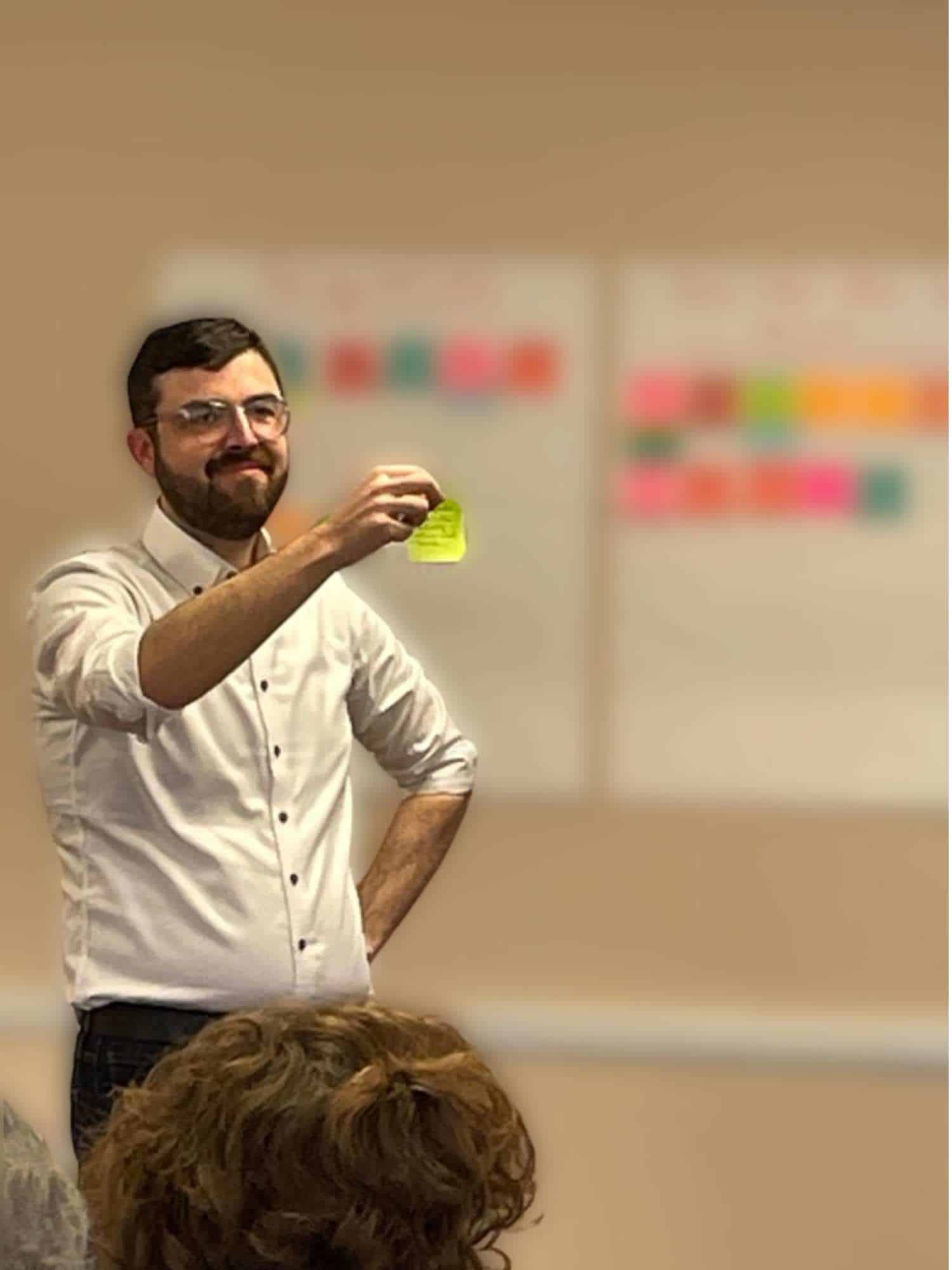
We come to your location for hands-on workshops that maximize engagement and team building.
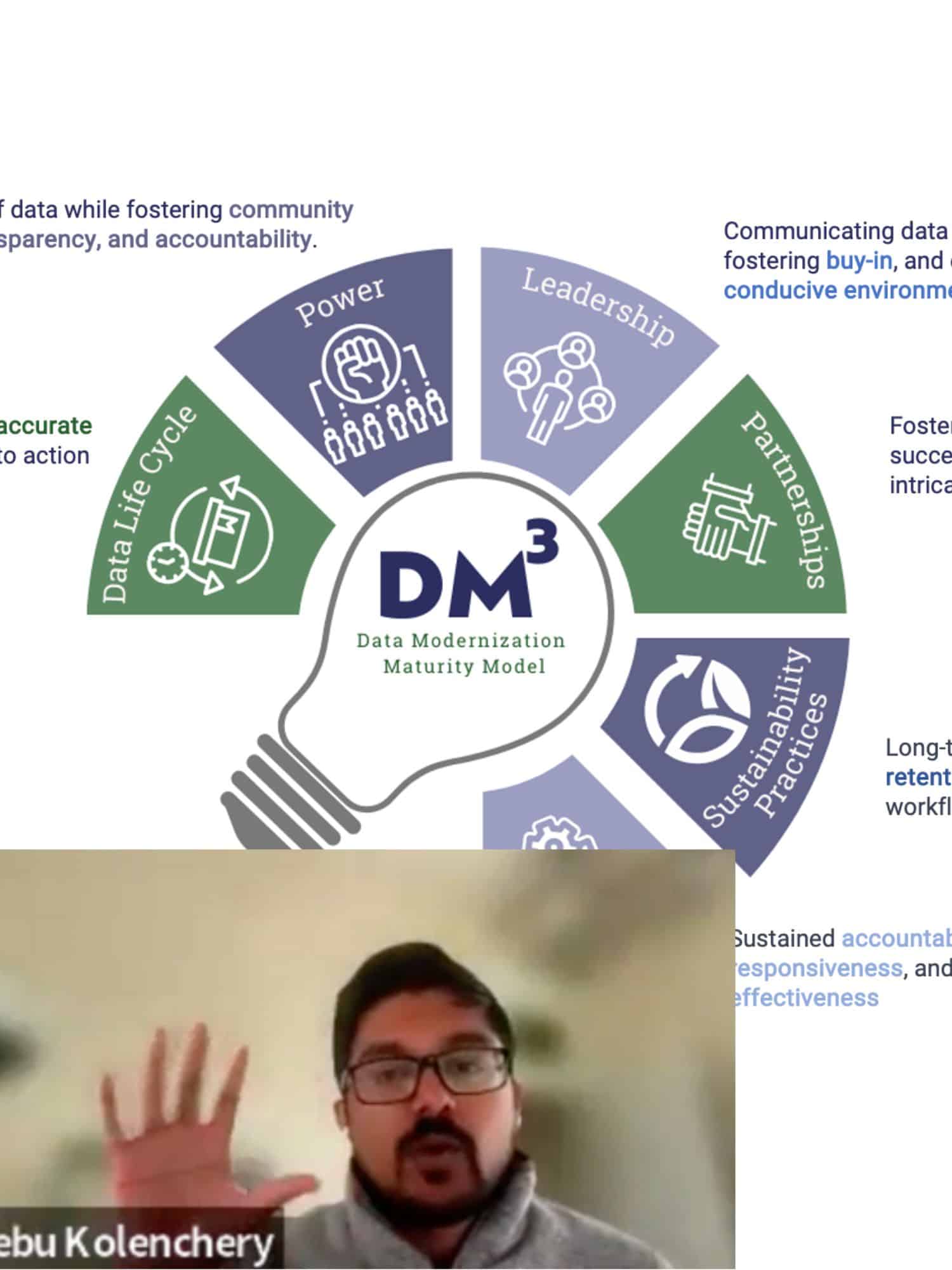
Flexible scheduling to fit public health workloads. Participants tell us they forget they're in a virtual session.
Combining on-demand modules with live Q&A for teams across multiple locations.
Sought-After Trainers and Educators
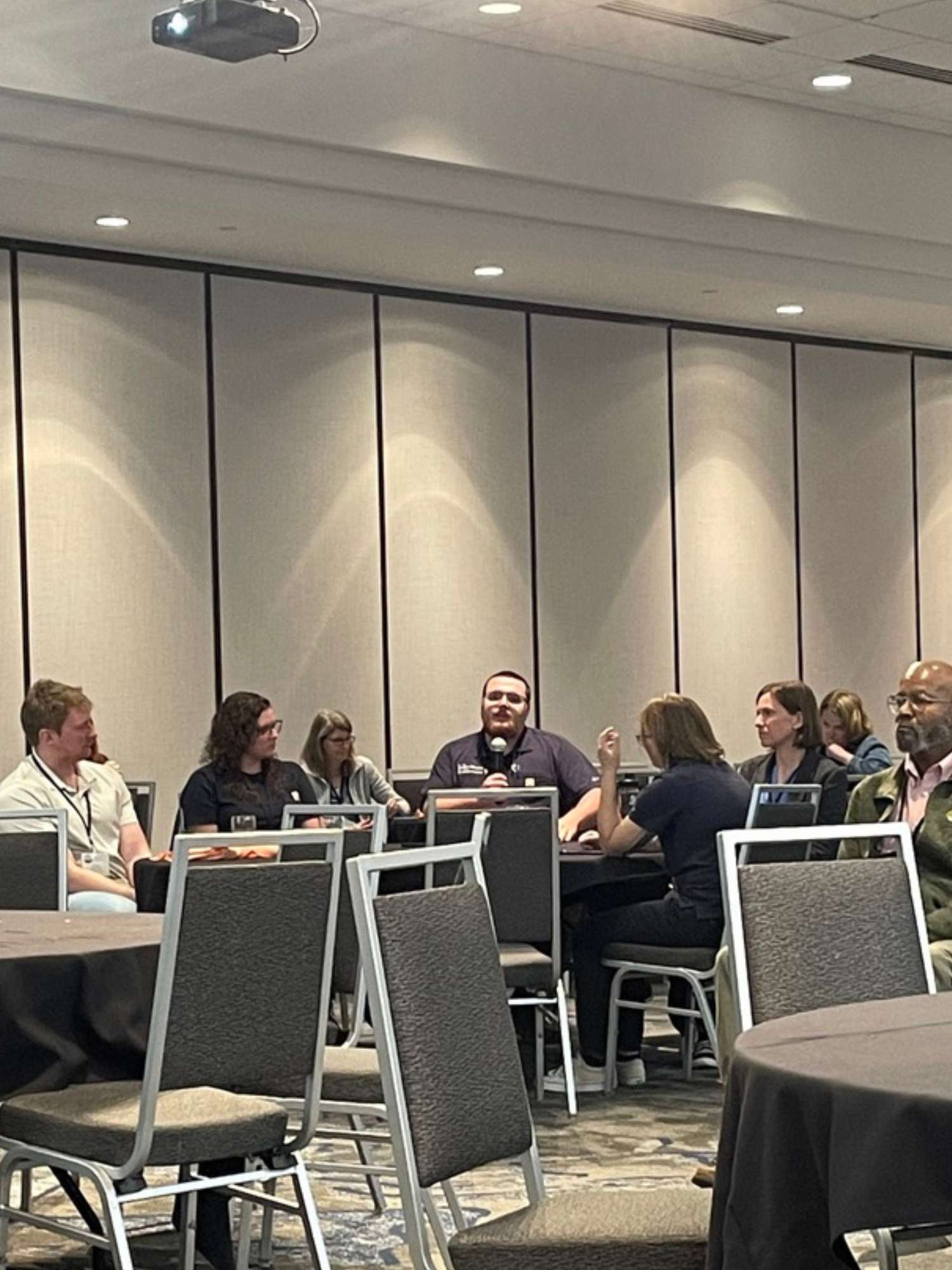
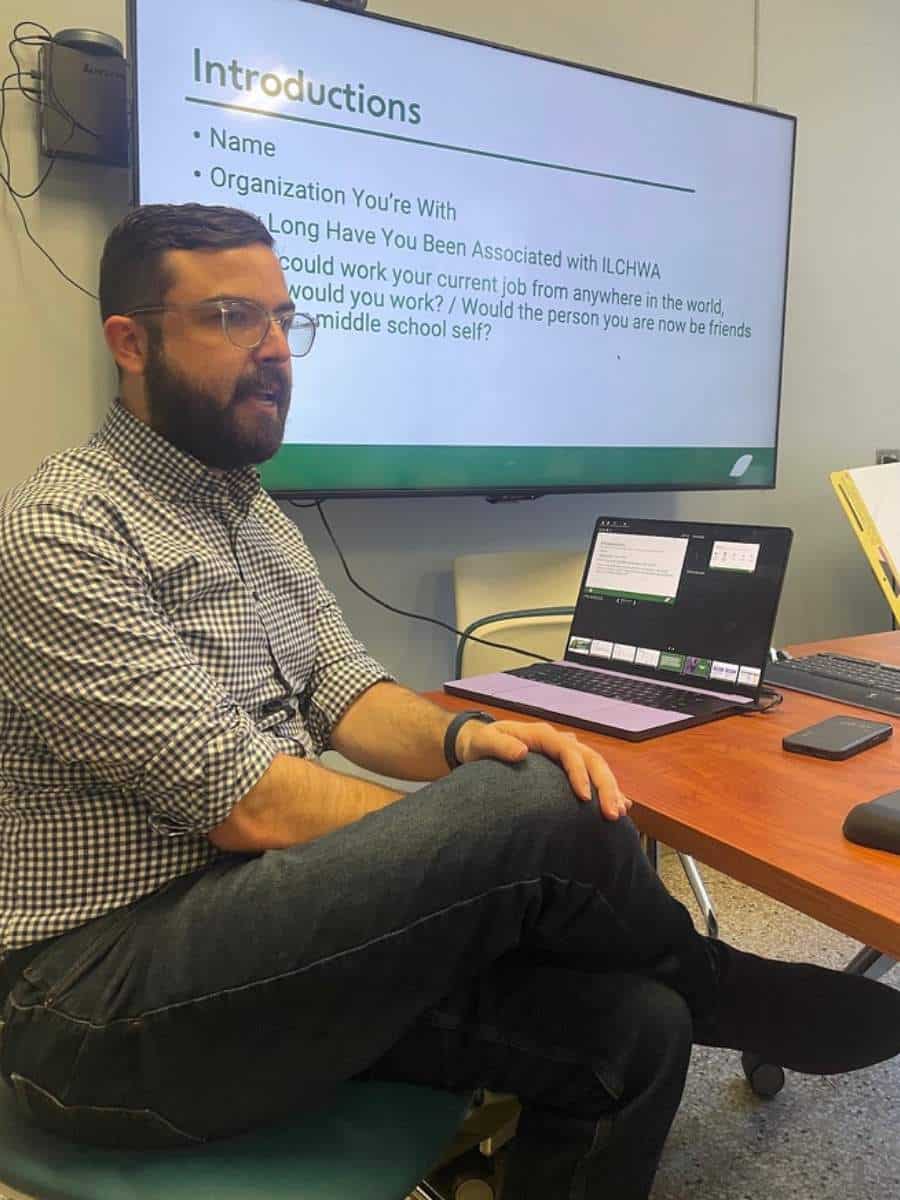
We aren't just consultants who offer training—we're sought-after trainers, educators, and keynote speakers. Our training offerings consistently receive exceptionally high feedback.
See How We've Helped Health Departments Build Capacity
Trauma-Informed Executive Coaching
A Washington State health department navigating organizational transitions partnered with us for executive coaching paired with department-wide trauma-informed training.
Read the Case Study →Customized Data Storytelling Training
A health department invested end-of-year funds in tailored training on storytelling with data, grounded in their specific community context.
Read the Case Study →Empathy-Driven Engagement Workshops
Building stronger connections between public health teams and the communities they serve through participatory design.
Read the Case Study →Public Health Training Questions
What training do public health workers need?
Public health professionals need training across several competency areas: data analysis and visualization, AI literacy and responsible use, leadership and change management, community engagement, and program evaluation. The specific mix depends on role and career stage. Our public health training programs are built around the Core Competencies for Public Health Professionals and can be customized to your department's workforce development plan.
How do health departments train staff on AI?
Effective AI training for government employees combines foundational knowledge (what AI is, how it works), practical skills (hands-on use of approved tools), and governance understanding (your agency's AI policy, HIPAA considerations, ethical use). We recommend starting with a 1-day GenAI for Public Health intensive, followed by annual compliance training. Our AI workforce development programs have been delivered for NACCHO, NNPHI, and dozens of local health departments.
What certifications do public health professionals need?
Certification needs vary by role. The Certified in Public Health (CPH) credential from NBPHE is valuable for many positions. Specialized roles may require certifications in project management (PMP), data analytics, or health informatics. For AI competency, we offer annual AI compliance training that documents staff completion—increasingly required as health departments implement AI policies. We can help you map training to your workforce development goals.
How is public health training different from generic corporate training?
Health department staff training requires understanding of public health context: HIPAA and data privacy, grant-funded constraints, community health frameworks, and the unique pace of government work. Generic training uses corporate examples that don't translate. Our trainers have managed epidemiology programs, led disease investigations, and built public health data systems—we teach from experience, using your actual data and community challenges.
What does executive coaching for public health leaders involve?
Executive coaching for public health directors addresses the unique challenges of leading in government: navigating political dynamics, managing crisis response burnout, building coalitions across agencies, and leading through organizational change. Our trauma-informed approach recognizes the toll public health leadership takes. Coaching can be individual (for health officers and division directors) or department-wide (building your entire leadership team's capacity).
How do you customize training for our specific health department?
Every engagement begins with discovery: we learn about your team's current challenges, desired outcomes, and organizational context. We then adapt content to use your actual data, your community's demographics, and your real workflows. If you're training on data visualization, we use your surveillance data. If you're learning AI governance, we reference your department's draft policy. This ensures participants can apply skills immediately after training.
What data governance training do health department staff need?
Data governance training for public health should cover data stewardship roles and responsibilities, data inventory management, access control policies, data sharing agreement development, retention and disposition requirements, and HIPAA compliance. We offer training for both data governance council members (who set policy) and frontline staff (who implement it daily). Our data governance training is designed specifically for local health departments—not generic corporate content adapted to public health.
How does F&T Labs differ from other public health training providers?
We're public health practitioners who became trainers—not training companies that added public health to their menu. Our team includes former epidemiologists, health directors, and informaticists who now teach the skills they used daily. We're woman-owned, 8(a) certified, and trusted by national organizations like NACCHO and NNPHI. Most importantly, we consistently receive 9.7/10 satisfaction scores because participants can immediately apply what they learn.
Ready to Invest in Your Team?
Whether you need AI compliance training, executive coaching, or a custom workshop, we're here to help your staff flourish in their vital work.
Schedule a Conversation